Good hair days start at the scalp
Plain-English guides to flakes, itch, oil and shedding — taken from NHS, British Association of Dermatologists and NICE guidance — plus a routine builder for your hair pattern and honest notes on what ingredients really do.
- 22 sourced guides
- 15 ingredients explained
- 62 products, no hype
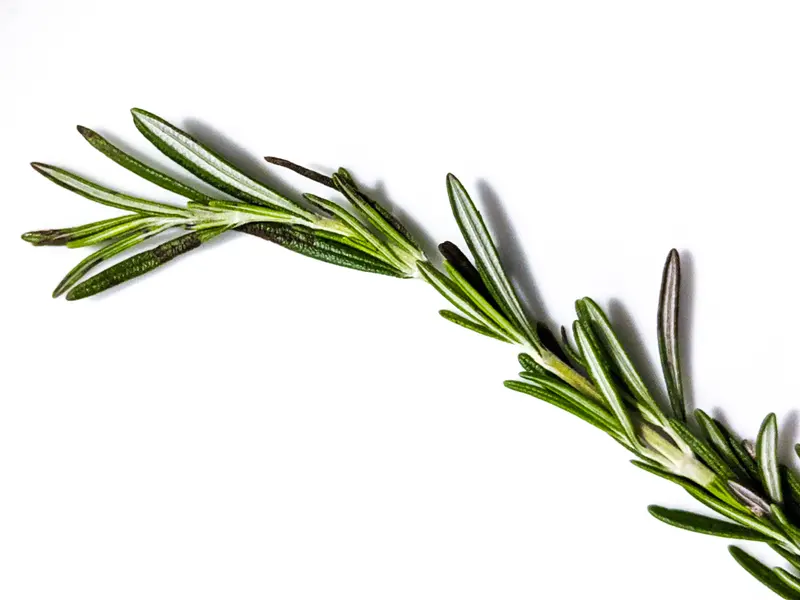
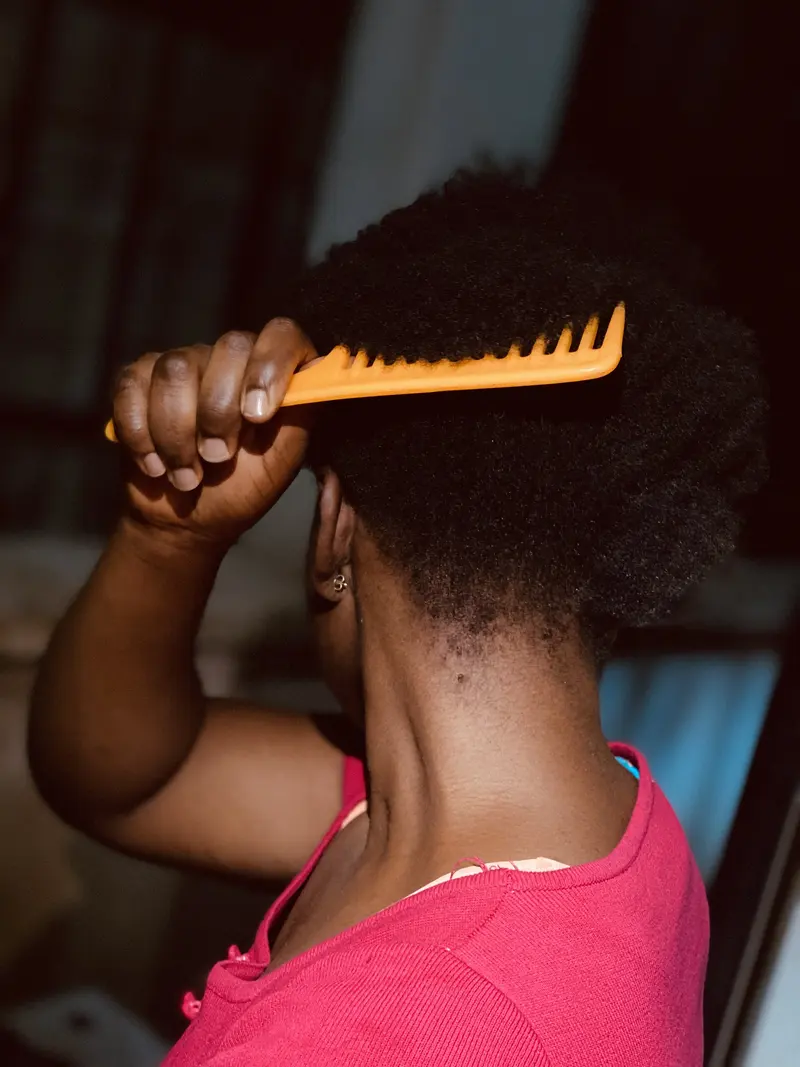
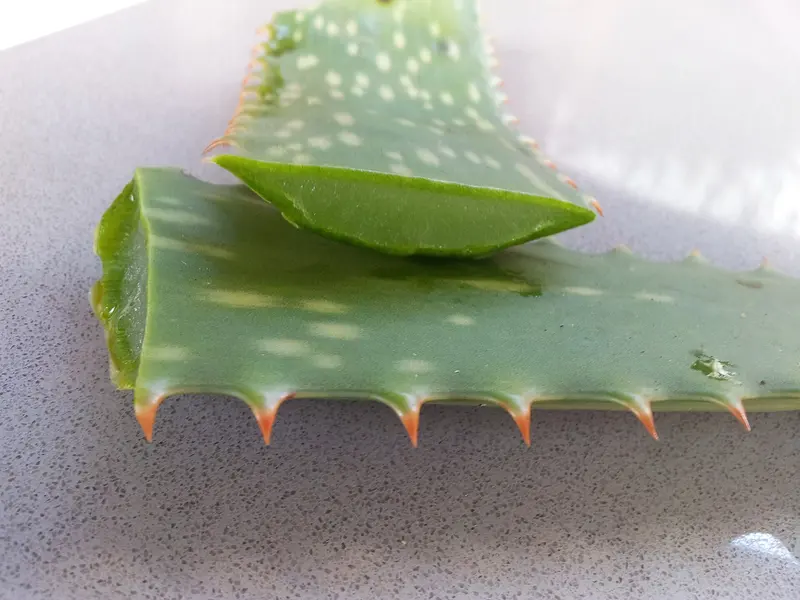
Fresh rosemary (Salvia rosmarinus) — Photo: PilotChicago, CC BY-SA 4.0 · A wide-tooth comb eases through afro-textured hair — Photo: Adesolive, CC BY-SA 4.0 · Cut aloe vera leaf showing the gel — Photo: Rae Allen, CC BY 2.0
Find your pattern, 1A to 4C
Most heads have more than one pattern, and the letters are a rough shorthand — not science. Use them as a starting point, then go by how your hair behaves.
Straight
Hair that falls flat from root to tip, from fine and silky to thicker with a slight bend.
Type 2Wavy
Loose S-shaped waves — from a barely-there bend to defined waves that start near the root.
Type 3Curly
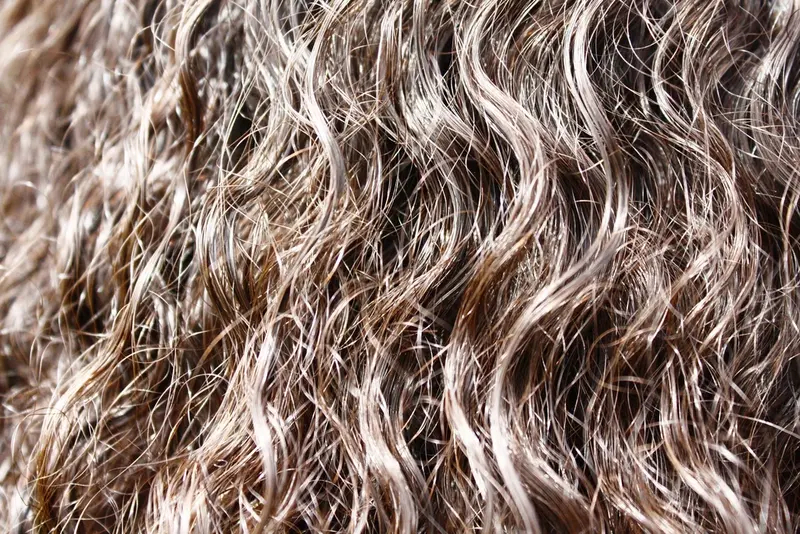
Defined loops and ringlets, from big loose curls to tight corkscrews — moisture and gentle detangling come first.
Type 4Coily
Tight coils and zigzags with lots of shrinkage — gentle handling, moisture and loose styles matter most.
Illustrations are our own drawings of the commonly used 1A–4C shorthand. Porosity and density matter too — see the full hair types guide.
The scalp & hair menu
Pick a concern for what it is, what tends to help, the ingredients worth knowing and when to get it checked.
Shedding, thinning and patches — what is normal and what to get checked
Hair loss has many causes, and some are temporary. These guides explain the main types using NHS and dermatology sources, and say clearly when a GP should take a look.
- Hair loss: what's normal, common causes and when to see a GP
Losing some hair every day is normal, and most hair loss is either temporary or part of getting older. How to tell the…
- Male and female pattern hair loss
The most common type of hair loss in both men and women. It's usually inherited, gradual and permanent without treatmen…
- Alopecia areata: patchy hair loss
Sudden, smooth, round bald patches caused by the immune system attacking hair follicles. It isn't contagious or caused…
- Telogen effluvium: sudden shedding after stress or illness
Noticeably more hair in the plughole, on your brush or pillow — often about three months after an illness, childbirth…
- Traction alopecia: hair loss from tight styles
Constant pulling from tight ponytails, buns, braids, weaves and extensions can thin the hairline. Caught early it's rev…
What’s actually in the bottle
Each ingredient gets a plain-English job description, its cautions and an honest evidence rating — from licensed medicine to “makes hair feel nicer”.
Ketoconazole
Antifungal medicine in shampoos for dandruff and seborrhoeic dermatitis
Evidence: Strong CosmeticPiroctone olamine
Anti-dandruff ingredient now common in UK supermarket shampoos
Evidence: Limited CosmeticZinc pyrithione
Former anti-dandruff staple — banned from cosmetics in Great Britain since October 2022
Evidence: Limited Medicine & cosmeticSalicylic acid
Loosens and lifts scale in anti-dandruff shampoos and scalp treatments
Evidence: Limited Medicine activeCoal tar
Long-established medicine for scaling in dandruff, seborrhoeic dermatitis and mild scalp psoriasis
Evidence: Limited Medicine & cosmeticSelenium sulfide
Anti-dandruff ingredient that targets the yeast linked to flaking
Evidence: Limited Medicine activeMinoxidil
Over-the-counter lotion or foam for male and female pattern hair loss
Evidence: Strong Medicine & cosmeticDimeticone (for head lice)
Silicone in pharmacy head lice lotions and sprays that kills lice physically, not as a nerve poison
Evidence: StrongMyth or fact?
Salon lore meets the evidence. Every verdict links to its source.
- Myth
Dandruff means your scalp is dry or you don't wash enough
The NHS says dandruff isn't caused by poor hygiene, although it can be more obvious if you don't wash your hair regularly. It's linked to a yeast that lives naturally on everyone's skin, to scalp oil… Sources
- Myth
Head lice prefer dirty hair
Head lice aren't caused by dirty hair — they're picked up by head-to-head contact (NHS). A BMJ Clinical Evidence review found no evidence that lice prefer clean hair to dirty hair or the other way ro… Sources
- Myth
Head lice can jump or fly from head to head
Head lice can't jump, hop or fly — they crawl, and spread mainly by head-to-head contact (British Association of Dermatologists). They also can't be caught from pets. Sources
Products, explained
What each product is, its key ingredients in the manufacturer’s own words, how to use it and the cautions — no prices, ratings or hype. Links go to Amazon.co.uk.
- Anti-dandruff & medicated shampoosShampoos with an active ingredient for flakes, itch and scale — some are medicines.5
- Shampoos by concernEveryday, clarifying, colour-care, curl and sensitive-scalp shampoos.7
- Conditioners & masksRinse-out conditioners, masks and bond-care treatments for softer, easier-to-comb hair.5
- Scalp treatmentsLeave-on and pre-wash scalp products, including minoxidil hair-loss treatments.6
- Scalp scrubs, brushes & massagersExfoliating scrubs and silicone shampoo brushes for loosening residue and flakes.6
- Combs & brushesDetangling brushes, wide-tooth combs and styling brushes.5
- Heat protectantsSprays and creams applied before blow-drying, straightening or curling.3
- Hair dryersFull-size, compact and diffuser-ready dryers.4
- Straighteners & stylersFlat irons, hot-air stylers and multi-stylers.4
- Curl productsLeave-in conditioners, curl creams and gels for waves, curls and coils.4
- Silk & satin pillowcases & bonnetsSmooth fabrics for sleeping on or wrapping hair at night.4
- Hair ties & scrunchiesFabric scrunchies, coil ties and snag-free bands.3
- Hair towelsMicrofibre wraps and soft towels for drying with less rubbing.3
- Children's hair & head liceDetangling products, kids' shampoos, detection combs and head lice treatments.3
Washing, heat, colour, chlorine and sleep
Small habits make the biggest difference to how hair looks and feels. These guides cover the everyday questions, with the reasoning and the sources.
- How often should you wash your hair?There's no single right answer. Dermatologists say wash according to how oily your scalp gets and your hair type — from daily for an oily scalp to every week or two for…
- Conditioning and detangling without breakageShampoo cleans the scalp; conditioner protects the lengths. How conditioner works, where to put it, rinse-out versus deep conditioning, and how to detangle wet hair with…
- Safe heat styling: dryers, straighteners and curling tongsHeat changes hair, and more heat does more damage. What the research says about dryer distance, straightening wet hair and heat protectants — and the simple habits that…
- Colour-treated and bleached hair: safer dyeing and aftercareHair dye reactions are fairly common, so the NHS advises testing a dye at least 48 hours before you use it. How to dye more safely, why bleached hair behaves differently…
- Swimming and your hair: chlorine, copper and "green hair"Regular swimming can roughen and lighten hair, and copper in pool water can tint blonde or damaged hair green. Simple steps before and after the pool.
- Gym, sweat and hair: washing and styling around exerciseThere's surprisingly little research on sweat and hair. What dermatologists' general advice means if you exercise a lot — washing as often as you need, and keeping worko…
- Sleep and hair: silk pillowcases, satin bonnets and night-time careSilk and satin are hugely popular for protecting hair overnight, especially curly and coily hair. Here's what's known (very little), what's sensible, and how to avoid ni…
- Children's hair and scalp: from cradle cap to school-gate liceGentle care for babies' and children's hair, what to do about cradle cap, head lice and scalp ringworm, which products have age limits — and why loose styles matter.